Brows & Lashes
Small Adjustments That Make a Beautiful Difference.
4 minutes
Discover seven common eyebrow mistakes, from over-tweezing to incorrect tinting, and learn how to create naturally balanced, beautifully shaped brows.
The Details That Make the Difference
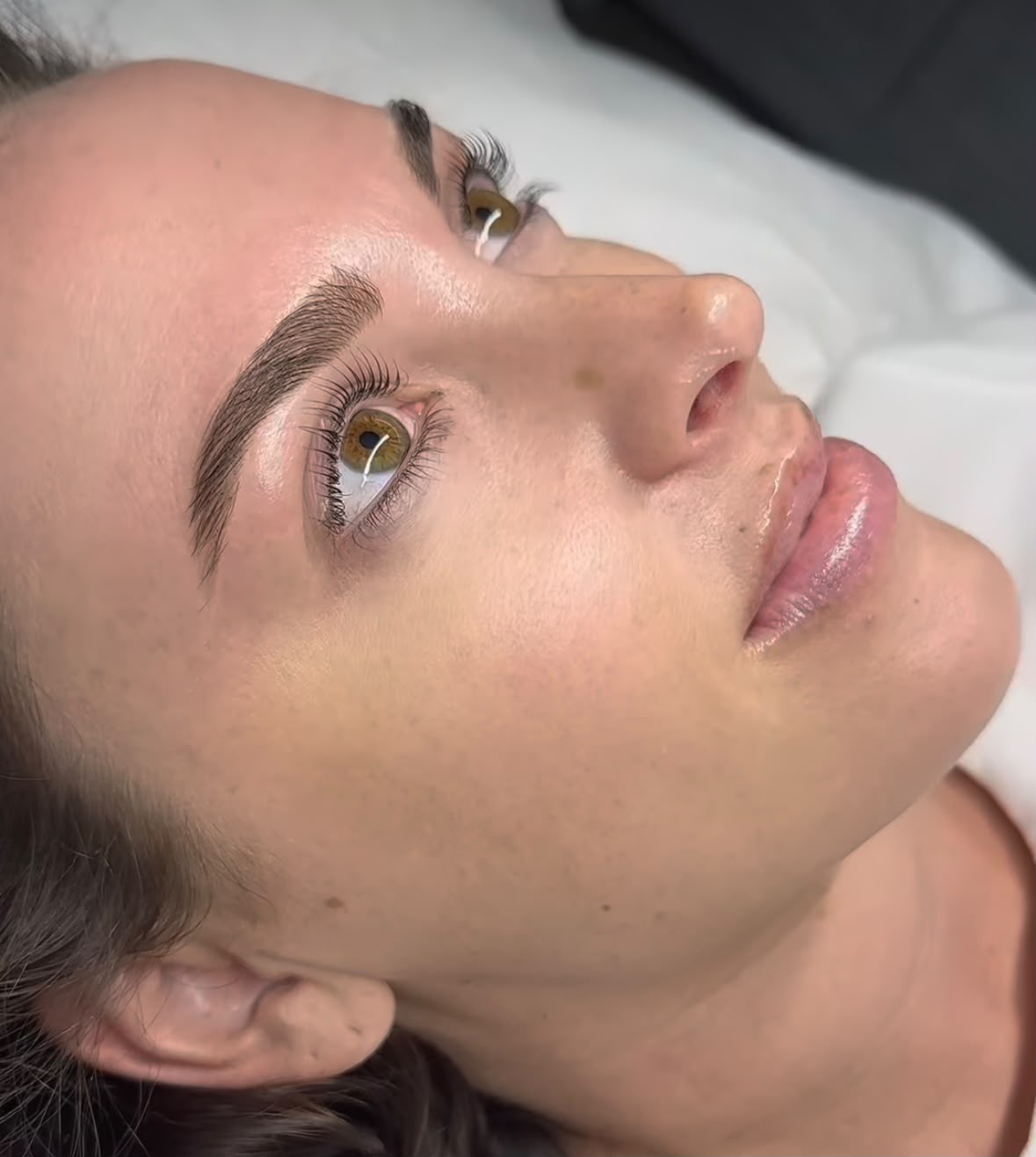
Beautiful brows are rarely about following a particular trend or achieving a perfectly identical shape. They are about understanding your natural features and knowing how to work with them.
Yet small habits can gradually affect the appearance of your brows. From removing too much hair to choosing the wrong tint, certain common mistakes can make brows appear less balanced or defined than intended.
Understanding what to avoid is the first step toward a more considered brow routine.
01 — Over-Tweezing
One of the most common brow mistakes is removing too much natural hair.
Repeatedly tweezing around the arch or underneath the brow can gradually alter its original shape, leaving it thinner or less balanced. In some cases, repeated removal may also affect how consistently hair grows back.
A more considered approach:
Allow your natural brow shape to guide the design. Remove only the hairs that fall outside the intended shape, rather than continuously chasing a thinner or more dramatic arch.
Sometimes, allowing the brows to grow out is the best place to begin.
02 — Following Trends Instead of Your Features
Brow trends change constantly. From ultra-thin arches to heavily defined brows and dramatic lamination, what is popular today may not complement every face.
A brow shape should work in harmony with facial proportions, natural growth patterns, and individual features.
A more considered approach:
Use trends as inspiration, not as a blueprint. Consider your natural brow structure and facial proportions before choosing a particular shape or finish.
The most flattering brow is the one that feels naturally suited to you.
03 — Choosing the Wrong Tint Shade
Tint can add depth, definition, and visual fullness to the brows. However, a shade that is too dark, too warm, or too cool can create a result that feels disconnected from your overall appearance.
The right shade is influenced by more than hair color alone. Natural brow color, skin undertones, hair density, and personal preference all play a role.
A more considered approach:
Choose a tint that complements your natural coloring and desired level of definition. For a softer result, a subtle enhancement may be more flattering than a dramatic contrast.
The intention is to define the brows, not overpower them.
04 — Overfilling the Brows
Makeup can be an effective way to enhance sparse areas and create additional definition. The difficulty comes when too much product is applied, particularly at the beginning of the brow.
Heavy, solid-looking fronts and overly sharp outlines can make brows appear less natural.
A more considered approach:
Apply product gradually, concentrating on areas that need additional definition. Use lighter strokes toward the front of the brow and blend thoroughly.
A little restraint often creates a more refined finish.
05 — Ignoring Your Natural Brow Shape
Trying to completely change the direction, arch, or proportions of your natural brows can create unnecessary maintenance and an unnatural appearance.
Your existing brow structure provides valuable guidance for a flattering design.
A more considered approach:
Work with your natural growth pattern whenever possible. Thoughtful shaping can refine the arch, improve symmetry, and create a more polished appearance without removing the character of your brows.
06 — Overprocessing Brow Lamination
Brow lamination can create a fuller, lifted appearance by repositioning the natural brow hairs. However, more processing does not necessarily mean a better result.
Overprocessing or repeating treatments too frequently may leave brow hairs feeling dry, fragile, or difficult to manage.
A more considered approach:
Choose a treatment schedule appropriate for your individual brow condition and follow the recommended aftercare. Allow sufficient time between treatments and avoid unnecessary chemical processing.
A beautiful result should also respect the health and condition of the natural hair.
07 — Overtrimming the Brow Hairs
Trimming can help tidy longer hairs, but removing too much length can disrupt the natural texture and fullness of the brows.
Excessive trimming may leave gaps or create an uneven appearance, particularly when hairs naturally grow in different directions.
A more considered approach:
Trim conservatively. Brush the hairs into their natural position first, then remove only the smallest amount necessary to refine the shape.
Preserving natural texture helps maintain a softer, fuller finish.
A More Thoughtful Approach to Brow Beauty
The difference between brows that simply look groomed and brows that feel beautifully balanced often comes down to thoughtful details.
Rather than constantly changing their shape, color, or texture, consider what your natural brows need. Sometimes that means a little less tweezing. Sometimes it means a more suitable tint or a professional treatment designed around your individual features.
Beautiful brow design is not about changing everything. It is about knowing what to enhance and what to preserve.
The Lumière Approach
At Lumière Beauté, brow treatments begin with the individual. Natural growth patterns, facial proportions, and personal aesthetic preferences guide each treatment.
Whether you are looking for subtle shaping, added definition, or a fuller and more lifted appearance, the intention is to create a result that feels balanced and distinctly your own.
Discover Your Signature Brow
A more considered approach begins with understanding your natural shape. Discover the Lumière brow experience and explore treatments designed around your features.
EXPLORE BROW TREATMENTS